Commissioning your first Painting
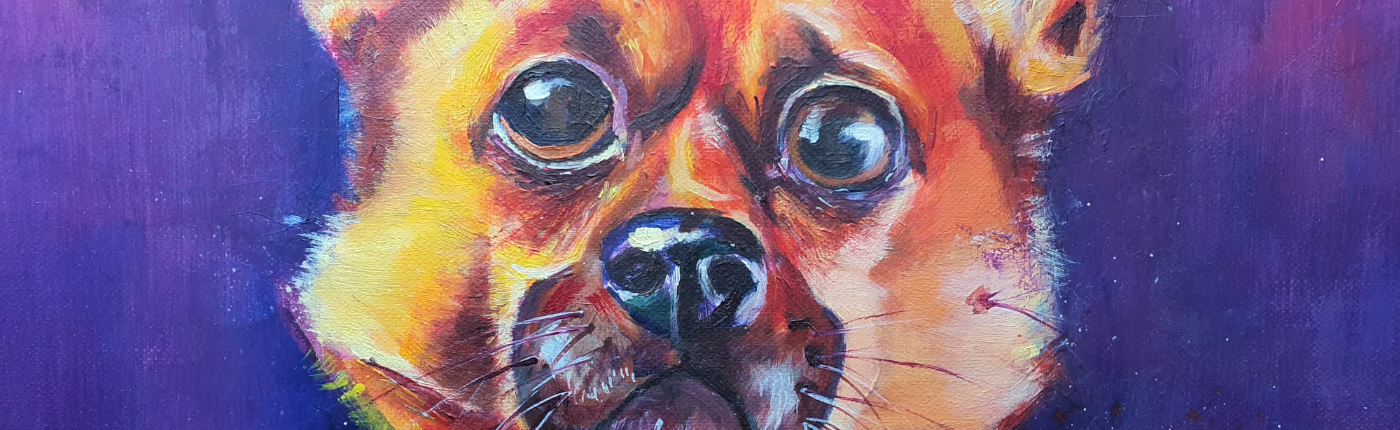
How to Commission a Painting: Everything First-Time Buyers Need to Know.
Commissioning a painting is one of the most personal things you can do with art. You are not choosing something from a wall; you are asking an artist, hopefully, the artist is me, a contemporary London-based artist, to make something that did not exist before, shaped around a subject that matters to you. That is a different kind of conversation entirely.
And yet, for most first-time buyers, it is also unfamiliar territory. How much should it cost? What do you actually say to the artist? What happens if you don't like the result? These are fair questions - and they deserve honest answers.
I will do my best to walk you through everything you need to know before you commission your first painting - so the process feels less like a transaction and more like the collaboration it is meant to be.
1. Budget and Pricing: What Does a Commission Actually Cost?
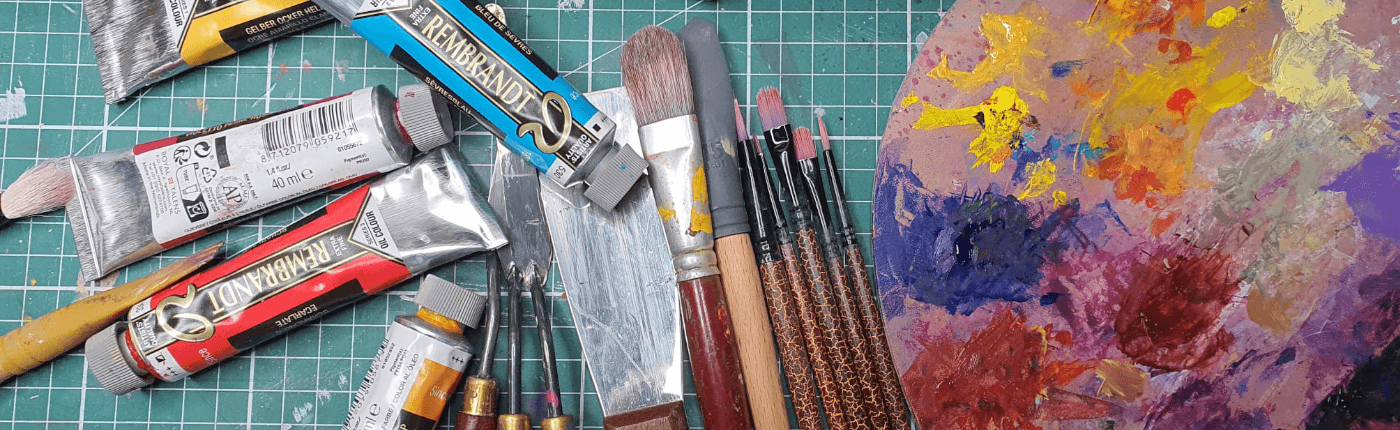
Pricing in the art world can feel opaque, especially if you are new to it. The honest answer is that commissioned paintings vary enormously from a few hundred pounds for a smaller work by an emerging artist, to several thousand for a larger, more complex piece by an established name.
What drives the price? A few things: the size of the work, the medium (oil paintings typically cost more than acrylic or digital work due to materials and drying time), the complexity of the composition, and the artist's experience and demand.
A few things worth knowing before you approach an artist:
Have a budget in mind before you make contact. Artists appreciate knowing your range - it helps them assess whether they can work with you honestly, rather than quoting something that does not fit.
Don't negotiate the artist's rate down. If a price is outside your budget, say so -a good artist will either find a way to work within it or be honest that they can't. Asking someone to undervalue their time rarely starts a good working relationship.
Factor in extras. Framing, delivery and packaging are often separate costs. Ask upfront so there are no surprises.
Commissioning art is not like buying a product off a shelf. You are paying for time, skill, and creative attention - and the result will be singular. That is worth something.
2. The Brief: How to Communicate What You Want
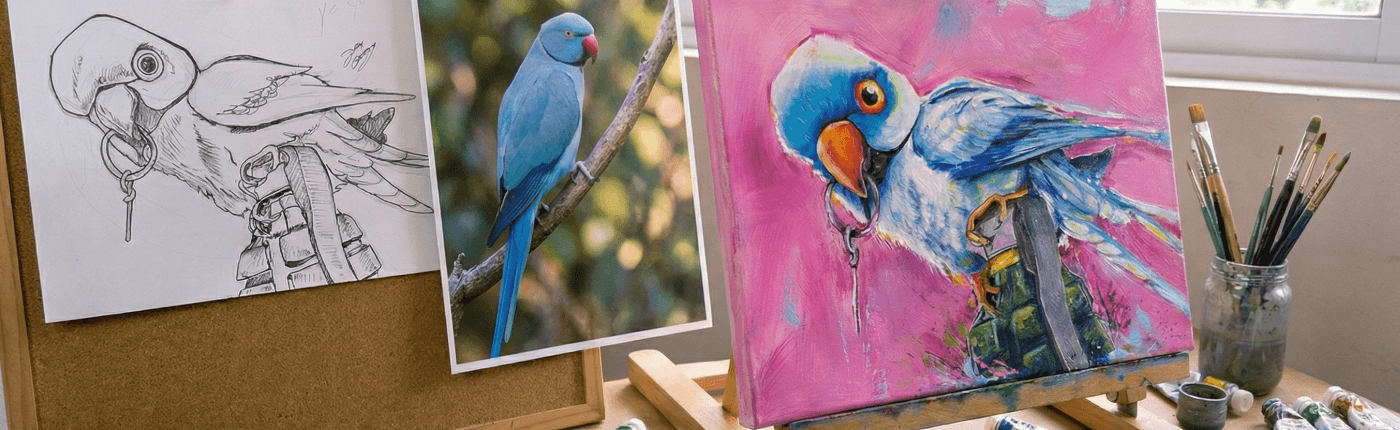
This is where most first-time commissions either flourish or falter. The brief is the conversation between what you imagine and what the artist can make. Getting it right is not about controlling every detail - it is about giving the artist enough to work with while trusting them to do what they do.
A strong brief typically includes:
The subject. Who or what are you commissioning: a person, an animal, a place, a memory? Be specific. If it is a portrait of a pet, share multiple photographs from different angles in good natural light.
The feeling you want it to carry. Not just what it looks like, but what you want it to feel like. Warm and tender? Bold and striking? Quiet and reflective? Artists work better with emotional direction than with exhaustive technical instruction.
Reference images. Photographs of the subject, examples of work by the artist you love, or mood images that capture the feeling you are after. Visual references speak clearly.
Size and intended location. Where will it live? Above a fireplace? In a hallway? On a desk? This affects scale, and scale affects everything.
What you don't need to do is micromanage the process. If you have chosen an artist whose work you love, the best thing you can give them, alongside a clear brief, is trust. Tell them what matters. Then let them paint.
3. Timelines: What to Expect and When
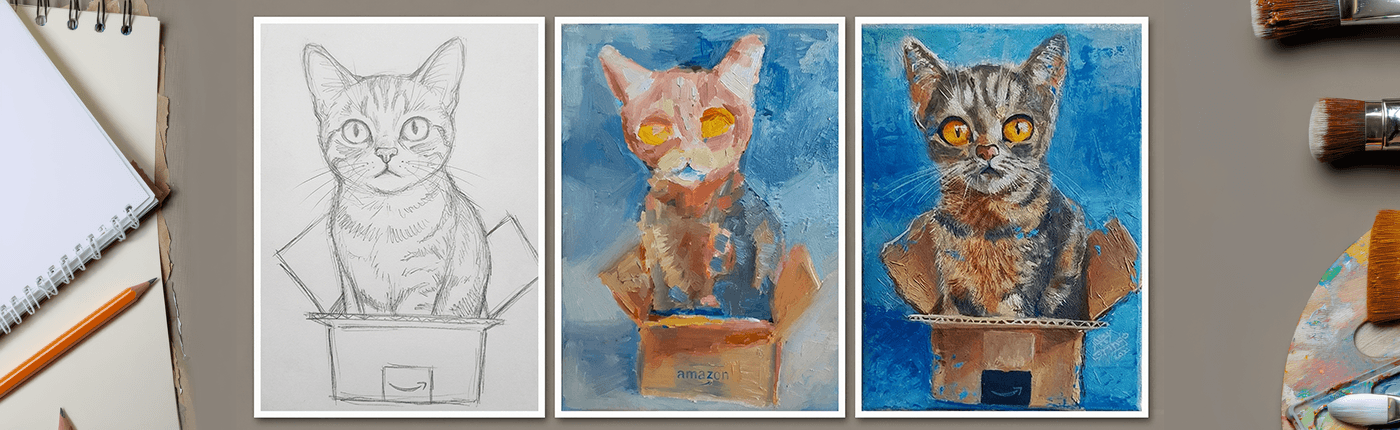
A commissioned painting takes time. That is not a warning; it is part of what makes it worth having. Unlike a print that ships in two days, a commission is being made for you, and the time that goes into it is embedded in the object itself.
General timelines to expect:
Smaller works (A4–A3 size): two to four weeks from deposit payment.
Medium works (A2 or canvas up to 50cm): four to eight weeks.
Larger or more complex commissions: eight to sixteen weeks, sometimes longer.
Oil paintings in particular require drying time between layers; this is not a delay, it is the medium. Rushing an oil painting produces flat, muddy results. A good artist will not compromise the work to meet an arbitrary deadline.
If you have a fixed date in mind, such as a birthday, an anniversary, or a Christmas gift, communicate it at the very first point of contact. Artists can often plan around a deadline if they know about it from the start. Mentioning it two weeks before the event is a different matter.
Most artists will offer at least one progress update, a photograph of the work midway through. This is your opportunity to raise any concerns before the painting is finished. Use it.
4. Rights, Prints and Reproduction: Who Owns What
This is one of the most misunderstood areas of commissioning art, and it is worth understanding clearly before you begin.
When you commission a painting, you are purchasing the physical object. Unless specifically agreed otherwise in writing, the artist retains the copyright to the image, meaning they can photograph, share, exhibit, and produce prints of it.
What this means in practice:
The artist may use images of your commission for their portfolio, website and social media. This is standard practice, and most clients are comfortable with it, but if you want privacy (for example, if the painting is a gift and you don't want it revealed), discuss this before work begins.
If you want to reproduce the image yourself on cards, merchandise, or commercially, you will typically need to agree a licence with the artist. This is separate from owning the painting.
If you are commissioning for commercial use, advertising, branding, or publishing, be transparent about this from the start. Commercial commissions are priced differently, and the rights conversation needs to happen before any agreement is made.
None of this needs to be complicated. A straightforward conversation at the start is all it takes. Most independent artists are accommodating; they simply need to know what they are agreeing to.
5. Deposits, Contracts and Protecting Yourself
A professional artist will ask for a deposit before beginning work. This is standard, reasonable and a sign that you are working with someone who takes their practice seriously. Typically, this is between 30% and 50% of the total agreed price, paid upfront.
The deposit secures your place in the artist's schedule and covers the cost of materials. The balance is usually due on completion, before the work is delivered.
Even for informal commissions, it is worth having the following agreed in writing - an email exchange is sufficient:
The agreed price and what it includes.
The deposit amount and payment schedule.
The estimated timeline and any fixed deadline.
How revisions are handled - and how many are included.
The cancellation policy - what happens if either party needs to step back?
Any agreements on copyright and usage.
This is not about distrust - it is about clarity. A clear agreement protects both parties and means the creative conversation can happen without anxiety on either side.
A Final Thought
Commissioning a painting is not complicated once you know what to expect. The best commissions happen when the client brings a clear subject, an honest budget, and a willingness to trust, and the artist brings skill, transparency, and care.
What you end up with is not just a painting. It is something made specifically for you, carrying a subject, a feeling, and a moment that nothing else holds in quite the same way.
That is what makes it worth the conversation.
Ready to commission a painting?
I work with a small number of clients at a time to ensure each commission receives full attention. If you have a subject in mind - a person, an animal, a memory - I would be glad to hear about it.
Visit alexgringo.com/commissions to find out more.